
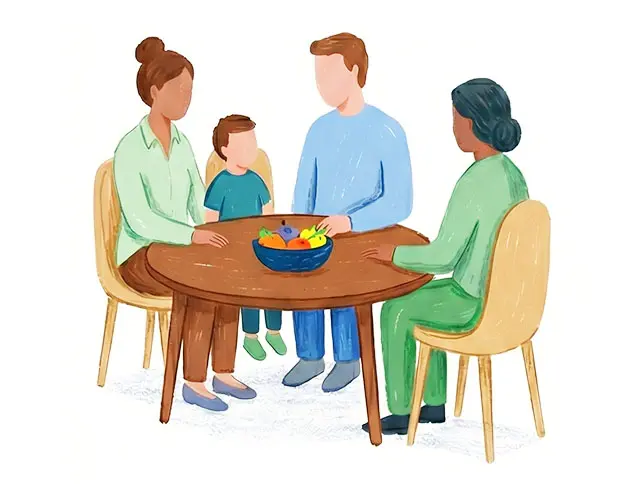
Together, we explore these deeper patterns—not simply to change the conversation, but to understand what has been driving it all along. Lasting change begins when the pattern beneath the conflict becomes visible


You see your relationship patterns clearly — where they come from and why they keep repeating

90 Min
60 Min
Per Session
Yes — and often individual work is where the most meaningful relational change begins. You can't control what your partner does, but you can change how you show up, what you tolerate, how you communicate, and what you unconsciously bring into the dynamic. That shift in one person consistently changes the relationship, even without the other person in the room.
Absolutely. Emotional distance, disconnection, and that quiet feeling of loneliness inside a relationship are just as much a relational pattern as open conflict. Sometimes the absence of argument is itself the pattern — two people who have learned to stay safe by staying separate. This work explores that dynamic just as much as the louder ones.
This is one of the most common questions in relationship pattern work — and one of the most answerable. We tend to choose partners who activate familiar emotional territory, even when that territory is painful. It's not bad luck or poor judgment. It's an unconscious pull toward what feels known. Understanding what that territory is and where it came from is exactly what this work explores.
Couples counselling typically involves both partners working together on specific issues — communication, conflict, trust. This is individual consulting that explores relationship dynamics from one person's perspective, going deeper into the emotional history and unconscious patterns that drive how you relate. Many people find this more transformative than joint sessions, because the work happens at the level where the pattern actually originates.
Very much so. Relational patterns don't disappear when we're single — they show up in friendships, family dynamics, work relationships, and in the stories we tell ourselves about why relationships haven't worked. Some of the most important relationship work happens outside of a relationship, when there's space to understand the pattern without being inside it.
This is a classic attachment pattern — often rooted in early experiences where closeness felt unsafe, unpredictable, or conditional. The push-pull dynamic is usually not about your partner at all. It's about what intimacy unconsciously represents. This work gets directly into that — what closeness means to you, where that meaning came from, and how it can shift.
Possibly — and here's why. Couples counselling tends to work on the interaction between two people. This goes into what one person brings to every interaction: the attachment style, the unconscious expectations, the defences that activate under emotional pressure. If previous couples counselling felt like it stayed on the surface, this is designed to go underneath it.
That happens — and it's not the goal, but it's also not something to fear. Clarity is always better than confusion, even when it's difficult. This work isn't designed to save or end relationships. It's designed to help you understand yourself clearly enough to make choices that are genuinely yours — whatever those choices turn out to be.